

Dry skin can feel tight, itchy, dull, and uncomfortable, especially during seasonal changes like winter or monsoon, when moisture levels in the air drop. At these times, your skin barrier weakens, loses hydration faster, and becomes more sensitive. This is why choosing the right moisturizer is essential.
Not all moisturizers work the same way, each formula varies in texture, ingredients, and purpose. The perfect dry-skin moisturizer should not only hydrate but also nourish, repair, and protect your skin from environmental damage. An ideal “all-season” moisturizer keeps your skin soft, smooth, and comfortable without feeling greasy or heavy. Understanding what ingredients your skin needs is the first step toward making an effective choice.
Key Ingredients to Look For in a Dry Skin Moisturizer
When dealing with dryness, the ingredients inside your moisturizer make all the difference. Here are the most effective, Dermatologist-approved ingredients you should look for:
• Saccharide Isomerate (Vegan HA Booster)
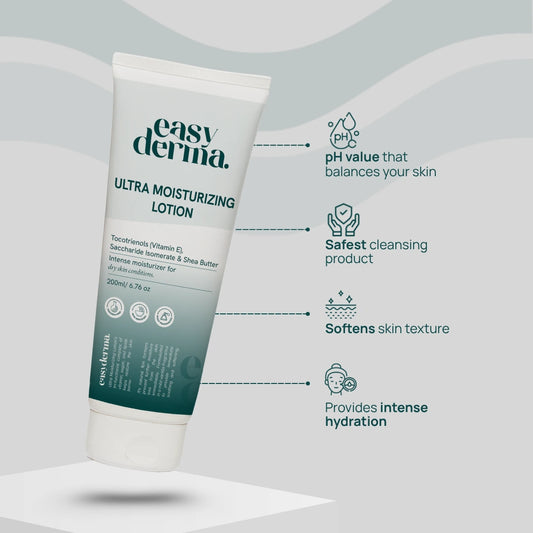
A powerful humectant that works like a moisture magnet. It binds deeply to the skin and provides long-lasting hydration for up to 72 hours. This ingredient is exceptional for improving skin smoothness, preventing flakiness, and restoring moisture balance, making it perfect for chronically dry or irritated skin.
• Tocotrienols (21st-Century Advanced Vitamin E)
Tocotrienols are an advanced form of Vitamin E with much stronger antioxidant power. They help protect skin from daily damage, soothe inflammation, and support barrier repair. For dry skin that easily gets irritated or dull, this ingredient adds excellent defence and rejuvenation benefits.
• Shea Butter
A rich, nourishing emollient that softens rough, flaky skin and locks in moisture. Despite its richness, shea butter is non-comedogenic, meaning it won’t clog pores. It creates a protective layer that prevents water loss, making it a must-have ingredient in any dry-skin moisturizer.
What to Avoid When Choosing a Moisturizer for Dry Skin
Not every moisturizer labeled “hydrating” is actually suitable for dry skin. Some formulations contain ingredients that may worsen dryness, irritate sensitive skin, or disrupt the skin barrier. Here’s what you should stay away from:
• Alcohol-Based or Astringent Ingredients
These evaporate quickly and strip natural oils, leaving your skin even drier and more irritated.
• Strong Fragrances or Essential Oils
Heavily scented products may smell pleasant, but they can trigger sensitivity, redness, and itching, especially for already dry or peeling skin.
• Lightweight Gel moisturizers
Although refreshing, gel formulations don’t offer the deep nourishment dry skin needs. They hydrate temporarily but do not provide a protective barrier.
• Harsh Exfoliating Acids in Daily moisturizers
Ingredients like AHAs or BHAs are great for exfoliation but should not be used in everyday moisturizers for dry skin, as they can worsen dehydration.
Choosing wisely protects your skin from irritation and helps maintain healthy moisture levels.

Best Moisturizer Textures for Dry Skin
Dry skin thrives on rich, nourishing textures that replenish moisture and strengthen the skin barrier. The right texture can make your routine more effective and long-lasting.
• Cream-Based Moisturizers
Perfect for daily use, cream textures offer a balance of hydration and nourishment. They absorb well while providing lasting softness.
• Balm or Butter Formulae
For extremely dry, flaky, or sensitive skin, balms create a thicker barrier that locks in moisture for hours. Ideal for nighttime routines or winter months.
• Emollient-Rich Lotions
If you prefer a lighter feel, lotion textures with emollients like shea butter or ceramides work well for daytime. They hydrate without heaviness while strengthening the skin barrier.
The right texture depends on your climate, skin condition, and comfort preference, but all three options effectively support long-term dryness repair.

How to Choose the Right Moisturizer for Your Skin Type
Even within the category of “dry skin,” needs can vary. Choosing the right moisturizer depends on understanding how your skin behaves daily and what level of nourishment it requires.
• For Mild Dryness
If your skin feels slightly tight after washing but improves with light hydration, choose a cream-based moisturizer with humectants like Saccharide Isomerate or Hyaluronic Acid. These give comfortable moisture without heaviness.
• For Moderate Dryness
If your skin often appears dull, flaky, or rough, look for formulations containing shea butter, ceramides, and tocotrienols. These strengthen the skin barrier while deeply hydrating.
• For Severely Dry or Dehydrated Skin
If your skin cracks, peels, or feels irritated, opt for balm or butter textures that offer intense nourishment. Ingredients like fatty acids, squalane, and rich emollients work best here.
• For Sensitive & Dry Skin
Choose fragrance-free, hypoallergenic formulation with soothing ingredients like Shea Butter, Saccharide Isomerate etc.
Understanding your skin’s exact needs helps you pick a moisturizer that delivers consistent comfort and long-term improvement.

Tips for Getting the Best Results From Your moisturizer
Using the right product is only half the journey, how you apply it determines how well it works.
• Apply on Slightly Damp Skin
Moisturizer locks in water, so applying it right after cleansing or toning boosts absorption and hydration.
• Use the Right Amount
A coin-sized amount is enough for the entire face; applying too little reduces effectiveness, while too much can feel heavy.
• Layer Correctly in Your Skincare Routine
Use moisturizer after serums but before sunscreen (in the daytime). This helps seal active ingredients and maintain barrier strength.
• Reapply in Harsh Weather
Cold climates, AC environments, and windy weather dry out skin faster. Reapply a light layer whenever your skin feels tight.
• Don’t Skip Night-Time Moisturizing
Night is when the skin repairs itself. Using a richer cream at bedtime accelerates recovery and improves softness by morning.
These habits ensure your moisturizer performs at its best, giving you smoother, healthier, deeply nourished skin.

How Seasonal Changes Affect Your moisturizer Needs
Your skin’s hydration levels change with the weather, so your moisturizer should adapt too. Dry skin becomes even more vulnerable during winter, monsoon, or in air-conditioned environments. Understanding seasonal behavior helps you choose smarter.
• Winter (Cold & Dry Weather)
Skin loses moisture faster, leading to flakiness and tightness.
Use rich creams or balms that offer intense nourishment and strengthen the skin barrier.
• Summer (Hot & Humid Weather)
Heat increases sweat and oil production, but dry skin can still feel dehydrated. Choose lightweight creams or emollient-rich lotions that hydrate without heaviness.
• Monsoon (Humidity + Occasional Dryness)
Humidity may make heavy creams feel greasy, yet compromised barriers still need moisture.
Opt for balanced cream-based moisturizers with humectants + emollients.
• AC Environments & Travel
Constant cool air leads to moisture loss.
Keep a hydrating cream handy and reapply when skin feels tight.
Adjusting your moisturizer with the seasons keeps dryness under control throughout the year.

How to Patch-Test a New moisturizer
Introducing a new product without testing can cause reactions, especially if you have dry or sensitive skin. A simple patch test helps ensure the moisturizer suits your skin and prevents unnecessary irritation.
• Step 1: Apply to a Small Area
Place a small amount of the moisturizer behind your ear or on your jawline, these areas mimic facial sensitivity.
• Step 2: Wait for 24–48 Hours
Monitor the spot for any signs of redness, itching, burning, or bumps.
• Step 3: Check for Delayed Reactions
Some irritation appears later. If no discomfort arises after two days, the product is generally safe to use.
• Step 4: Start Slow
Use it once daily for the first few days, then increase to your full routine.
• Step 5: Avoid Mixing New Products
Test one product at a time to clearly identify how your skin responds.
Patch-testing ensures a smooth, irritation-free transition to your new moisturizer and protects your dry skin from unexpected flare-ups.

Conclusion
Choosing the perfect moisturizer for dry skin isn’t about picking the thickest cream, it’s about understanding your skin’s needs, identifying the right ingredients, and selecting a formula that strengthens hydration over time. When you focus on barrier-friendly, nourishing components like Saccharide Isomerate, Shea Butter, and Tocotrienols, your skin becomes softer, smoother, and more resilient against dryness.
Consistent care, seasonal adjustments, and proper product selection together create long-term results. Whether you prefer lightweight lotions or richer creams, the goal is the same: to keep your skin comfortable, healthy, and deeply hydrated every day.
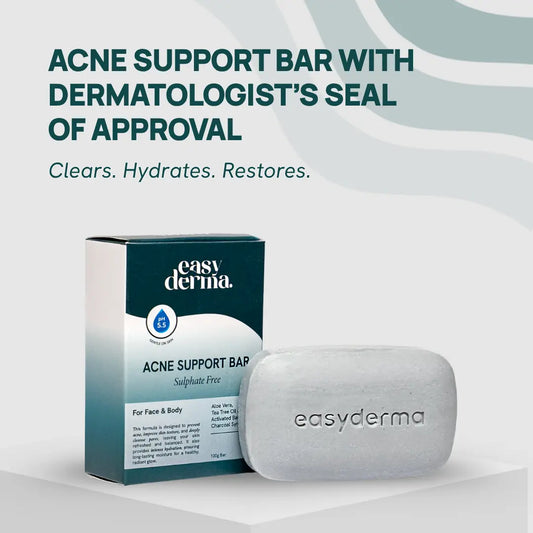
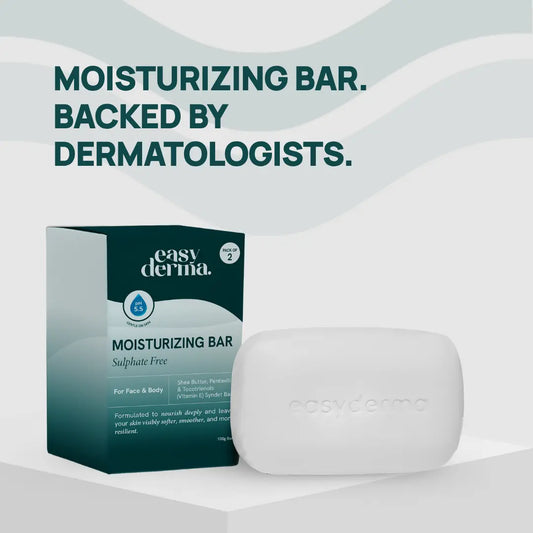
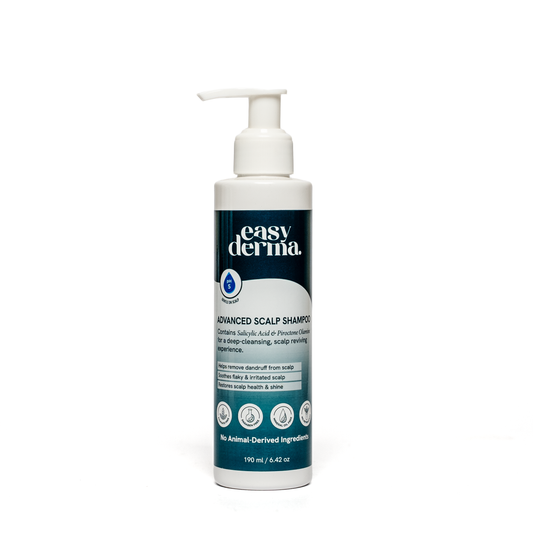
For Dermatologist-trusted, sulphate-free, hydration-focused formulations designed specifically for dry and sensitive skin, explore the full range at Easyderma.