

Why Skin Conditions in Adults Matter
Many people assume acne and other skin problems are just teenage issues—but in reality, adults often struggle with a variety of skin conditions too. Hormonal changes, stress, pollution, aging, and lifestyle shifts can all contribute to adult-onset skin concerns. Ignoring these issues not only affects appearance, but can also lead to discomfort, scarring, and a weakened skin barrier over time.
Recognizing and understanding these conditions early is important. When you know whether it's acne, rosacea, eczema, or another issue, you can make informed choices about treatment—and even adopt gentle, dermatologist-trusted skincare. With the right knowledge, you can support your skin health without overusing aggressive treatments.
In this guide, we’ll break down common adult skin conditions, how to spot them, their causes, and when it’s time to consult a dermatologist.

Acne vs. Rosacea: Spotting the Key Differences
Adult acne and rosacea often look similar but they are very different conditions with distinct treatment needs. Acne typically presents with clogged pores, blackheads or whiteheads, and inflamed pimples caused by excess oil and bacteria. In contrast, rosacea primarily affects the central face with persistent redness, flushing, visible blood vessels, and sometimes acne-like bumps—but it usually lacks comedones.
Another key clue: rosacea flare-ups can be triggered by heat, stress, spicy foods, or alcohol, while acne is more often linked to hormonal changes and clogged hair follicles. Because these conditions need different management approaches, correctly identifying which one you have is the first step toward clearer, healthier skin.

Understanding Eczema and Dermatitis in Adults
Eczema and dermatitis are inflammatory skin conditions that cause dryness, itching, redness, and irritation. In adults, eczema often appears on the hands, neck, eyelids, and behind the knees, and can flare up due to stress, harsh soaps, climate changes, or allergies. Since adult eczema can become chronic, it’s important to recognize symptoms early and avoid scratching, which can worsen inflammation and increase the risk of infection.
Dermatitis, including contact dermatitis, occurs when the skin reacts to allergens or irritants such as fragrances, metals, detergents, or certain skincare ingredients. Noticing a rash after using a new product or coming into contact with a potential irritant is often a sign of dermatitis. Managing these conditions involves gentle, barrier-supportive moisturizers and cleansers that help restore hydration and protect the skin. Consistently using Dermatologist-trusted, pH-balanced, and sulphate-free products can help calm irritation and strengthen the skin barrier.
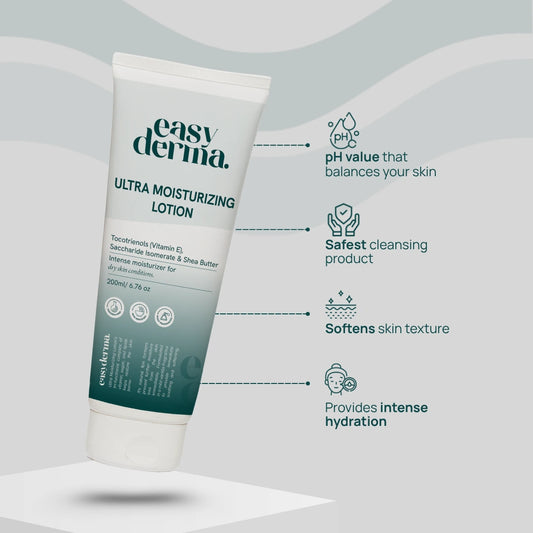
For adults with sensitive or eczema-prone skin, incorporating hydrating cleansers and moisturizing bars along with lightweight lotions, supports long-term skin health while minimizing flare-ups.

Identifying Psoriasis and Its Unique Symptoms
Psoriasis is a chronic autoimmune condition that accelerates the skin’s cell turnover, resulting in thick, scaly patches that commonly appear on the scalp, elbows, knees, or lower back. Unlike eczema, which is often itchy, psoriasis plaques are typically silvery-white, sharply defined, and may feel tight or painful. Some adults also notice nail changes, such as pitting or discoloration, which can be an important diagnostic sign.
Flare-ups may be triggered by stress, infections, cold weather, or certain medications. Adults often mistake psoriasis for simple dryness, leading to the use of regular moisturizers that may not effectively manage symptoms. Early identification and proper care—including gentle, hydrating, and barrier-supportive skincare alongside dermatologist-guided treatments can help reduce discomfort and prevent the condition from worsening.

Recognising Skin Infections (Fungal, Bacterial & Viral)
Skin infections in adults can sometimes resemble common rashes, leading to confusion and delayed care. Fungal infections, such as ringworm or fungal acne, often appear as itchy, circular patches or small pus-filled bumps, thriving in humid areas like the neck, chest, groin, and underarms. Bacterial infections, including cellulitis or impetigo, may show as warm, red, swollen patches with tenderness or yellowish crusting, and typically require medical attention. Viral infections—such as shingles—cause painful, tingling rashes that follow a band-like pattern.
Since each type of infection requires a different approach, accurate identification is crucial. Using incorrect home remedies can worsen the condition. If a rash spreads quickly, becomes painful, or develops pus, consulting a dermatologist promptly is essential. In the meantime, maintaining gentle, barrier-supportive skincare can help protect unaffected areas of the skin.

Ageing Skin Signs: Fine Lines, Sunspots & Texture Changes
As skin ages, visible changes naturally appear, especially on areas exposed to sunlight, pollution, and dryness. Fine lines often form around the eyes and mouth, while sunspots or hyperpigmentation can develop on the cheeks, forehead, and arms due to cumulative UV exposure. These are sometimes mistaken for acne scars or fungal pigmentation. Another common change is rough or uneven skin texture, caused by slower skin renewal and reduced collagen production.
Understanding these ageing indicators helps in selecting the right skincare routine. Using hydrating, antioxidant-rich products and daily sunscreen can protect the skin, maintain moisture, and slow the appearance of fine lines and pigmentation. Early care supports a healthier, smoother, and more radiant complexion over time.

When to Consult a Dermatologist
While some skin issues can be managed with gentle, pH-balanced skincare, there are signs that indicate it’s time to consult a dermatologist. Persistent rashes, rapidly spreading redness, painful bumps, or lesions that don’t improve after consistent care require professional attention. Changes in skin texture, sudden pigmentation, or unexplained inflammation may also point to underlying conditions like eczema, psoriasis, or bacterial/fungal infections.
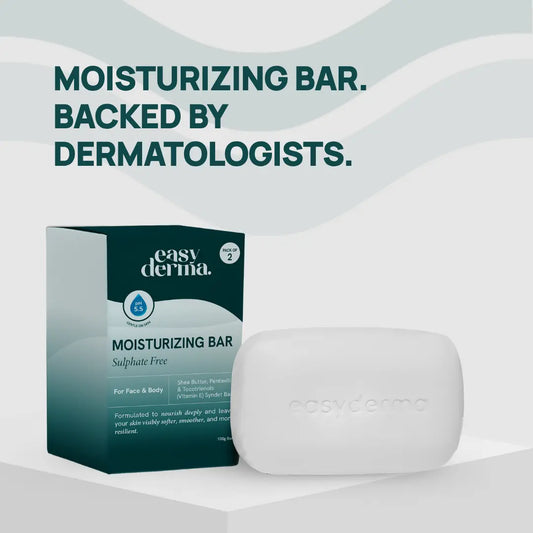
Documenting your skin changes—through photos or notes about triggers—can help your dermatologist identify patterns and recommend effective treatment. Dermatologists may use tools like dermatoscope for accurate diagnosis. Learning about your skin type, sensitivities, and underlying conditions ensures a tailored approach. For gentle, dermatologist-recommended cleansing, try products like the Easyderma Moisturizing Bar to maintain hydration while protecting sensitive areas. Early consultation prevents complications and supports long-term skin health.Conclusion
Identifying skin conditions in adults is the first step towards a healthier, happier skin. Understanding whether your concerns are acne, eczema, rosacea, psoriasis or signs of ageing helps you choose the right skincare routine and seek professional guidance when necessary. Prevention and early intervention not only reduce discomfort but also maintain the skin’s natural barrier and radiance.
Easyderma offers gentle, dermatologist-trusted, pH-balanced, and sulphate-free products suitable for sensitive and adult skin. From hydrating bars to lightweight lotions, these formulations provide effective daily care while preventing irritation. Begin your journey to a healthier skin with products designed to cleanse, nourish and protect. Explore dermatologist-trusted solutions: Shop Easyderma Products