

Overview
Choosing the right acne treatment isn’t as simple as picking a popular product or trying what worked for a friend. Acne varies widely from person to person—some experience occasional whiteheads, while others struggle with deep, painful cysts. Similarly, every skin type reacts differently to active ingredients. A cleanser or serum that clears one person’s skin may irritate another’s. This is why selecting acne treatments based on your skin’s needs is essential for safe, long-term results.
A smart approach starts with understanding the root cause of the breakouts, ranging from excess oil production and clogged pores to hormonal shifts and lifestyle factors. Dermatologists always emphasise that targeted treatments work better than general ones, especially when supported by gentle, non-stripping skincare.
This guide helps you understand exactly how to choose the right acne treatment for your skin type and severity—so you can avoid trial-and-error damage, reduce irritation, and move toward clear, healthy skin with confidence.

Identify Your Skin Type and Acne Severity
Before choosing any acne treatment, it’s crucial to identify your skin type and the severity of your acne. Each skin type—oily, combination, dry, and sensitive—responds differently to active ingredients. For example, oily skin may benefit from exfoliating agents like salicylic acid, while dry or sensitive skin may require hydrating and barrier-protecting formulas. Misjudging these needs can lead to unnecessary irritation, dryness, or worsening breakouts.
Next, assess your acne severity. Mild acne usually includes whiteheads and blackheads, while moderate to severe acne involves inflammatory pimples, pustules, or deep cysts. The type of acne you have helps determine whether you should rely on over-the-counter treatments or consider prescription options from a Dermatologist.
Understanding these foundations ensures that you choose treatments aligned with your skin’s actual requirements—making your routine more effective and preventing damage caused by using the wrong products.

Understanding Key Ingredients in Acne Treatments
Acne-fighting products come with a range of active ingredients, each targeting a specific issue—excess oil, clogged pores, inflammation, or bacteria. Understanding these ingredients helps you choose what your skin genuinely needs. Salicylic Acid (BHA) penetrates deep into pores, dissolving trapped oil and debris, making it ideal for blackheads and whiteheads. Benzoyl Peroxide works by killing acne-causing bacteria and reducing swelling, which makes it suitable for inflamed pimples. If your skin leans sensitive, Niacinamide is an excellent choice as it calms redness, reduces oil production, and strengthens the skin barrier.
For dry or irritated skin, Hyaluronic Acid and Ceramides provide hydration and repair support, allowing acne treatments to work without over-drying your skin. Some Dermatologists also recommend retinoids to boost cell turnover and prevent new breakouts, though they must be used carefully to avoid irritation. By understanding each ingredient’s role, you can choose formulae that match your skin type and acne severity—while avoiding unnecessary harshness.

How to Match Treatments to Your Skin Type
Every skin type requires a different approach to acne care. If you have oily or combination skin, lightweight gel-based products with salicylic acid, niacinamide, or benzoyl peroxide work well because they control oil without clogging pores. Those with dry skin should look for hydrating formulations—cream cleansers, moisturizers with ceramides, and gentle actives like niacinamide—to prevent flakiness and irritation.
For sensitive skin, choosing mild, fragrance-free products is essential. Opt for soothing ingredients like cica, aloe, or niacinamide, and avoid strong exfoliants unless guided by a Dermatologist. Meanwhile, if your skin is acne-prone but also reactive, using pH-balanced, sulphate-free formulae becomes even more important to avoid further inflammation.
Matching treatments to your skin type ensures that active ingredients perform effectively without compromising your barrier. The right combination not only treats acne but also keeps your skin healthy, calm, and protected during the process.

When to See a Dermatologist for Acne Treatment
While mild to moderate acne often responds well to over-the-counter treatments, certain signs indicate that you should consult a Dermatologist for personalized care. If you experience persistent breakouts that don’t improve even after 8–12 weeks of consistent treatment, it may signal deeper hormonal, bacterial, or barrier-related issues. Severe acne types—such as painful cysts, nodules, or swollen red bumps—require professional-grade medications to prevent scarring.
You should also seek help if your skin becomes highly irritated or reacts negatively to multiple products, as this may indicate sensitivity or ingredient intolerance. Dermatologists can create a treatment plan tailored to your skin type, lifestyle, and acne triggers—whether hormonal, environmental, or product-related.
Professional guidance prevents long-term damage, reduces dark spots, and ensures you’re using safe, science-backed formulations. Early intervention often leads to quicker results and healthier skin in the long run, especially for teens and young adults experiencing hormonal acne spikes.

Easyderma’s Dermatologist-Approved Acne Solutions
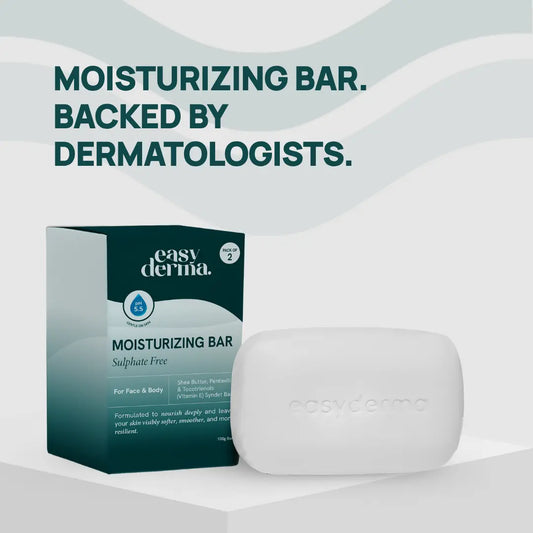
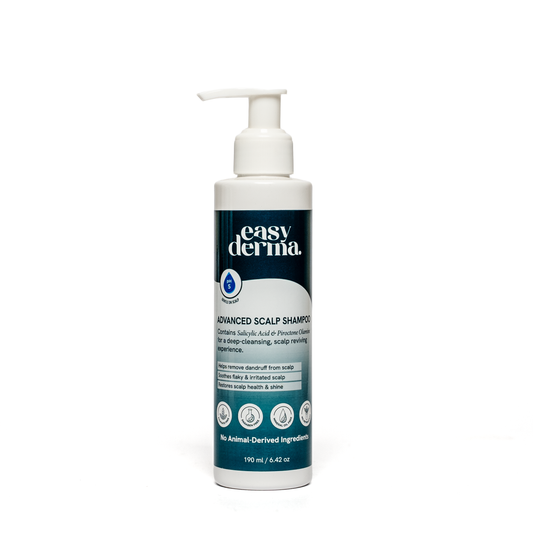
Choosing the right acne care becomes easier with Easyderma’s pH-balanced, sulphate-free, and Dermatologist-Trusted formulae designed specifically for sensitive and acne-prone skin. If you struggle with excess oil, clogged pores, or irritation, their gentle yet effective syndet-based solutions offer reliable support.
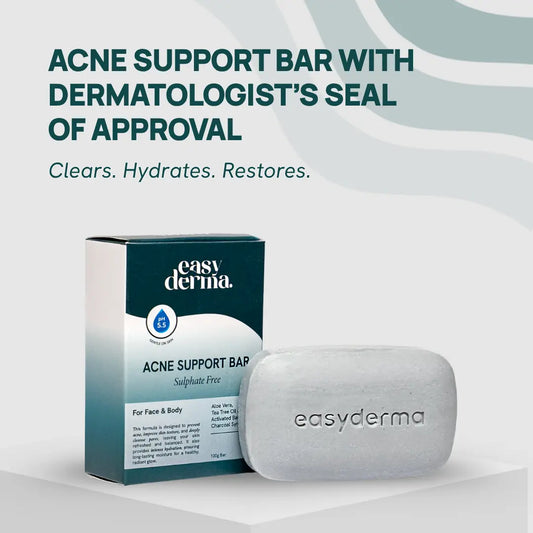
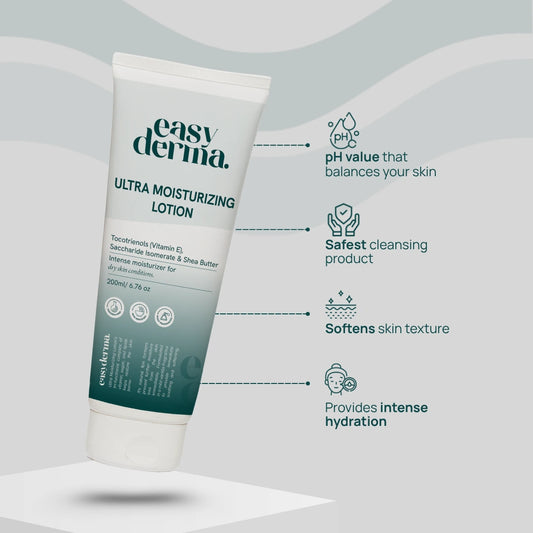
Products like the Easyderma Acne Support Bar help cleanse deeply without stripping essential moisture—ideal for daily use. Pairing it with their Ultra Moisturizing Lotion with HA Booster & Vitamin E helps maintain hydration, soothe redness, and strengthen the skin barrier while undergoing acne treatment.
Because these formulations avoid harsh chemicals and maintain an optimal skin-friendly pH, they minimize irritation and promote clearer, calmer skin. Whether you’re dealing with occasional breakouts or ongoing acne, Easyderma provides convenient, skin-safe options trusted by Dermatologists for gentle acne management.

FAQs
1. How do I know which acne treatment is right for me?
Start by identifying your skin type—oily, dry, sensitive, or combination. Then choose ingredients that match your concern: salicylic acid for clogged pores, benzoyl peroxide for inflamed pimples, and niacinamide for redness and sensitivity.
2. Can acne treatments cause irritation?
Yes, especially if you use strong actives too frequently. Introduce new products slowly and always use a moisturizer to support the skin barrier.
3. Is salicylic acid safe for daily use?
For most people, yes—when used in low concentrations (0.5%–2%). If you experience dryness or peeling, reduce usage to 2–3 times a week.
4. Should I moisturize even if I have oily or acne-prone skin?
Absolutely. Skipping moisturizer can make your skin produce more oil. Choose lightweight, non-comedogenic moisturizers that hydrate without clogging pores.
If your acne is severe, painful, or unresponsive to routine care after 2–3 months, it’s best to consult a professional for tailored treatment.

Conclusion
Choosing the right acne treatment doesn’t have to feel overwhelming. When you understand your skin type and the ingredients that work best for it, you can build a routine that truly supports healing. Whether you're dealing with occasional breakouts or recurring acne, consistency, gentle care, and the right formulations make all the difference.
For Dermatologist-Trusted skincare that’s gentle, effective, and designed specifically for acne-prone skin, explore Easyderma’s pH-balanced, sulphate-free solutions. Start with the
Easyderma Acne Support Bar to cleanse without irritation or browse the complete acne-care range directly on their official store: Shop Easyderma Products.
Ready to upgrade your acne-care routine? Discover Dermatologist-Trusted products that make clear skin easier—every day.