

Why Understanding Skincare Chemicals Matters
In today's skincare market, it's easy to get overwhelmed by endless product launches and appealing packaging. However, what truly matters is what goes inside your skincare products. Many formulations contain preservatives, fragrances, foaming agents, and stabilizers that make products look or feel better—but some of these chemicals can irritate sensitive skin, disrupt the skin barrier, or trigger long-term concerns if used repeatedly. This is why Dermatologists emphasize ingredient awareness, especially for people with dry, acne-prone, or sensitive skin.
Most consumers unknowingly use products loaded with harsh chemicals simply because they're not familiar with ingredient labels. Terms like parabens, sulphates, fragrances, and artificial dyes may appear harmless, but they can cause reactions ranging from mild redness to chronic irritation. Choosing gentler, pH-balanced, and sulphate-free solutions can significantly protect your skin's health and maintain its natural protective barrier.
This comprehensive guide breaks down the most harmful chemicals often found in skincare products and explains how to identify and avoid them safely.

Parabens – Why They're Used and Why You Should Avoid Them
Parabens are among the most commonly used preservatives in skincare and personal care products. They prevent bacterial growth and extend a product's shelf life, which is why you'll often find ingredients like methylparaben, propylparaben, butylparaben, and ethylparaben in cleansers, shampoos, lotions, and makeup. While effective as preservatives, parabens have been widely scrutinized for their potential to cause skin irritation and disrupt the skin's natural balance—especially in sensitive or acne-prone individuals.
Repeated exposure to parabens may weaken the skin barrier over time, leading to dryness, flare-ups, and increased sensitivity. Dermatologists recommend opting for paraben-free products to minimize the risk of irritation and maintain skin health. When reading labels, scan for ingredients ending with "-paraben" and choose cleaner alternatives whenever possible.
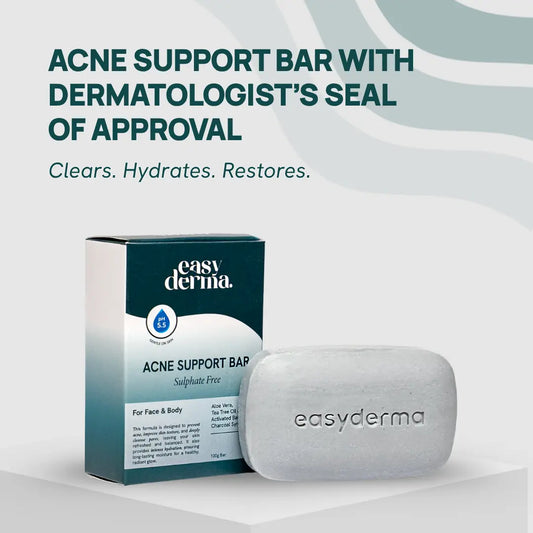
If you're dealing with acne or sensitivity, switching to paraben-free formulations is a crucial first step. Products like the Acne Support Bar provide gentle cleansing without harmful preservatives, using instead natural ingredients like Activated Bamboo Charcoal, Aloe Vera and Tea Tree Oil to support clear, healthy skin.
Sulphates – The Harsh Foaming Agents That Strip Your Skin
Sulphates such as Sodium Lauryl Sulphate (SLS) and Sodium Laureth Sulphate (SLES) are widely used in cleansers, face washes, shampoos, and body washes because they create a rich, satisfying foam. However, this foam comes at a cost—sulphates are extremely harsh on the skin barrier. They strip away essential natural oils, leaving your skin dry, tight, and vulnerable to irritation. For people with dry or sensitive skin, sulphates can trigger redness, flakiness, and even worsen acne by compromising the skin's moisture balance.
Dermatologists now advise choosing sulphate-free options that cleanse without disrupting your skin's pH or protective barrier. Sulphate-free products are especially important if you already struggle with dryness, eczema, or sensitivity.
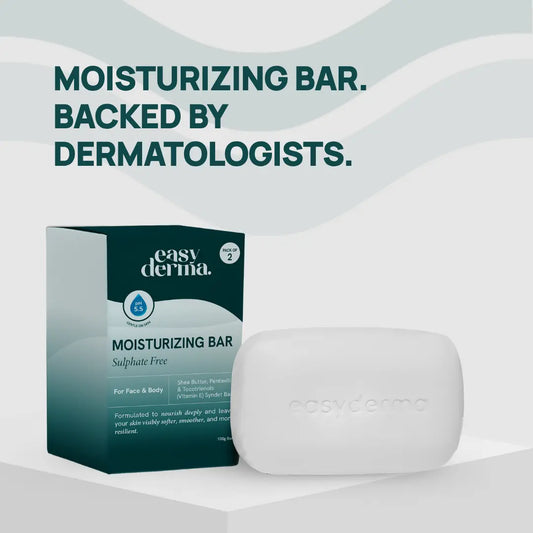
Easyderma formulations are specifically created to be pH-balanced and sulphate-free, ensuring a gentle cleansing experience that supports your natural barrier instead of stripping it. The Moisturizing Bar and Cera-Pent E Body Wash are both crafted without sulphates or parabens, making them ideal for those seeking clean, effective cleansing. Switching to a sulphate-free skincare is one of the simplest and most effective ways to prevent long-term dryness and irritation.

Artificial Fragrances – Hidden Irritants in Everyday Skincare
Fragrance is one of the leading causes of skin irritation, yet it's included in most skincare and personal care products. Artificial or synthetic fragrances are added to improve the user experience, but they can cause a range of issues such as redness, itchiness, breakouts, or allergic reactions—especially for those with sensitive or reactive skin. Unlike other ingredients, brands typically do not disclose the exact chemicals used to create fragrances, making them unpredictable and risky for compromised skin.
According to Dermatologists, fragrance sensitivity often develops quietly over time. Even if you've never reacted before, prolonged exposure to synthetic fragrance blends can weaken your skin barrier and lead to delayed irritation. This is why choosing products that contain hypoallergenic fragrance or fragrance derived from natural oils is much safer, especially for daily use.
Easyderma formulations follow this principle by using hypoallergenic, skin-friendly fragrance that does not aggravate sensitive skin. Every product is formulated with the understanding that less is more—focusing on barrier support rather than cosmetic appeal.

Volatile Alcohols and Artificial Dyes – Additional Irritants to Avoid
Beyond parabens, sulphates, and fragrances, volatile alcohols (like denat alcohol) and artificial colour additives can cause significant damage to compromised skin. Volatile alcohols evaporate quickly and can strip moisture, while artificial dyes serve no skincare purpose and often trigger allergic reactions or sensitivity flare-ups.
Clean skincare means avoiding these unnecessary additives entirely. Look for products with minimal, purposeful ingredient lists where every component contributes to skin health rather than aesthetics or shelf appeal.

How to Read an Ingredient List and Identify Safer Alternatives
Understanding ingredient lists is one of the most empowering steps in choosing safer skincare. Ingredients are listed in descending order by weight, meaning the first 5–7 ingredients usually make up most of the formula. If you see heavy fragrances, artificial colours, or volatile alcohols at the top, it's a sign the product may not be suitable for sensitive skin.
Look for safer alternatives such as:
Plant-based oils (jojoba, squalane) instead of mineral oil provide natural hydration and barrier support. Aloe vera, centella, and panthenol offer soothing benefits without artificial additives. Gentle surfactants like cocoglucoside cleanse effectively without the harshness of SLS. Fatty alcohols from plant sources provide texture and hydration instead of drying synthetic alcohols.
If a product contains fragrance, ensure it appears at the very end of the ingredient list—a sign it's used minimally. Transparent brands often highlight their minimal-irritant formulas on their product pages and packaging, making it easier to make informed decisions.

Why Product Formulation Matters – Easyderma's Approach
Product formulation is the foundation of how well a skincare product performs. Even if a product has trending ingredients, it will not deliver results if the base formula is filled with irritants, unstable actives, or unnecessary additives. This is where Easyderma stands out. The brand focuses on evidence-based, dermatologist-backed formulations that keep safety and sensitivity as the highest priorities.
Easyderma avoids harsh fragrances, artificial colours, sulphates, and volatile alcohols—common culprits that disrupt the skin barrier. Instead, they formulate with barrier-strengthening, hydrating ingredients like ceramides (in the Cera-Pent E Body Wash), Saccharide Isomerate (Vegan HA Booster), Shea Butter, and Tocotrienols. Their formulations undergo stability tests and dermatological testing, ensuring long-term safety and efficacy.
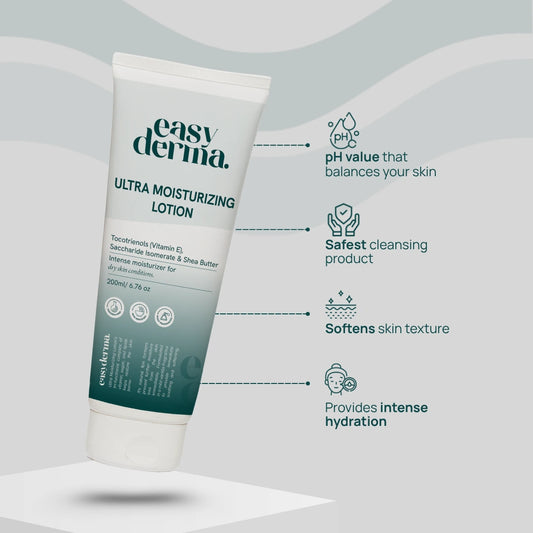
For consumers dealing with acne, dryness, or sensitivity, Easyderma's products offer a transparent and reliable choice. The Ultra Moisturizing Lotion combines Saccharide Isomerate, Tocotrienols, and Shea Butter to deeply hydrate without irritants. For those seeking a complete routine, the Winter Combo pairs two moisturizing cleansing bars with the Ultra Moisturizing Lotion for a comprehensive, chemical-free skincare.
By prioritizing clean formulation science, Easyderma positions itself as a brand that blends dermatology expertise with minimalist, high-performance skincare, giving users trust in every product they apply.

Building a Safe Skincare Routine Without Harmful Chemicals
Creating a routine free from harmful chemicals doesn't have to be complicated. Start by replacing your current products with sulphate-free, paraben-free alternatives. If you have acne-prone skin, begin with the Acne Support Bar, which uses Activated Bamboo Charcoal, Aloe Vera and Tea Tree Oil to cleanse and support clear skin. Follow with the Ultra Moisturizing Lotion to hydrate without compromising your skin barrier.
For those with dry or sensitive skin, the Cleanse & Moisturize Combo offers the Cera-Pent E Body Wash paired with the Ultra Moisturizing Lotion for gentle cleansing and deep hydration.
The key is consistency—give your skin at least 4–6 weeks to adjust to a cleaner routine before expecting dramatic results. Your skin barrier needs time to repair itself after exposure to harsh chemicals.

FAQs: Common Questions About Harmful Chemicals in Skincare
1. Are Easyderma products safe for sensitive skin?
Yes. Easyderma products avoid harsh alcohols, artificial dyes, parabens, and volatile fragrances—common irritation triggers. They use clinically backed, gentle ingredients that support barrier health and are dermatologist-trusted.
2. How long does it take to see results after switching to clean skincare?
Results vary by concern. Hydration and soothing benefits often appear within days, while improvements in acne, pigmentation, or texture generally take 4–8 weeks of consistent use with products like the Acne Support Bar.
3. Can I use Easyderma products alongside prescriptions like tretinoin or clindamycin?
Most Easyderma products pair well with active ingredients because of their minimal irritants and barrier-supportive formulations. However, if you're on strong medications, introduce one product at a time and observe your skin closely.
4. How do I check if a product contains irritants?
Read the first 5–7 ingredients and avoid perfumes, colours, SLS, and drying alcohols. Check that sulphate-free and paraben-free claims are clearly stated on the label.
5. Are Easyderma products suitable for teenagers?
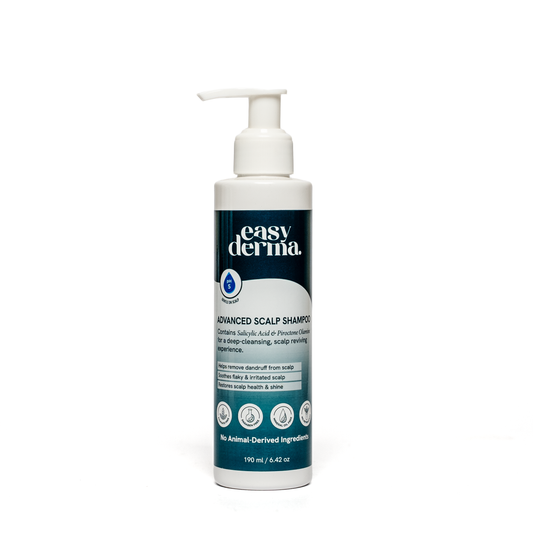
Yes. Easyderma's gentle, sulphate-free formulations make them appropriate for teens struggling with acne, oiliness, or sensitivity, such as the Dandruff & Acne Combo.
Conclusion: Choosing Clean Skincare for Long-Term Wellness
Choosing the right skincare products starts with understanding what's inside them. Many harmful chemicals—like parabens, sulphates, artificial colours, volatile alcohols, and synthetic fragrances—can silently disrupt your skin barrier and trigger long-term issues such as sensitivity, acne, and premature ageing. By learning how to identify these ingredients and reading labels properly, you take control of your skin health and avoid products that cause more harm than good.
This is why formulation quality matters. Brands like Easyderma focus on science-backed, irritation-free ingredients that nourish and protect the skin rather than overwhelm it with unnecessary additives. Their thoughtful, Dermatologist-Trusted approach prioritizes your skin's health over marketing trends.
Making informed choices ensures long-term skin wellness. Whether you're dealing with acne, dullness, pigmentation, or sensitivity, opting for clean formulations and avoiding harmful chemicals can transform your routine. Your skin deserves products that work with it, not against it. Explore Easyderma's range of sulphate-free & paraben-free products and give your skin the safe, gentle care it deserves. Choose wisely, stay consistent, and invest in products that truly support your skin's health.