

Overview
Acne breakouts are one of the most common skin concerns, and they often show up unexpectedly—right before an important event or during stressful days. While many people try quick fixes or harsh treatments, these approaches often worsen irritation and weaken the skin barrier. The real solution lies in understanding acne scientifically and treating it gently with pH-balanced, Dermatologist-trusted care. Breakouts occur due to clogged pores, excess oil, inflammation, and bacterial buildup, but they can be managed effectively with the right strategy.
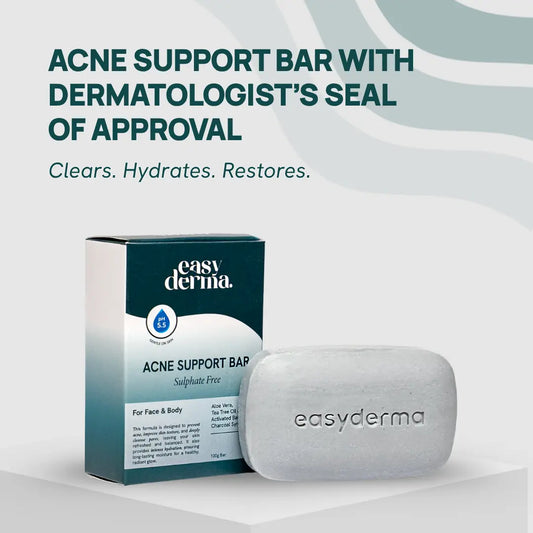
Instead of relying on aggressive scrubs or drying face washes, a structured routine that supports the skin barrier helps achieve long-term clarity. This is where choosing high-quality, clinically informed skincare becomes essential. Dermatologist-trusted products like the Easyderma Acne Support Bar offer a gentle yet effective cleansing experience, making acne healing easier, safer, and more sustainable.

Understand the Root Causes of Acne
Before treating acne, it’s important to understand what triggers breakouts. Acne is primarily caused by the overproduction of sebum, buildup of dead skin cells, bacterial growth inside clogged pores, and inflammation. When the skin barrier becomes weak—due to harsh cleansers, excessive scrubbing, or environmental stress—acne tends to flare up even more. Hormonal fluctuations, weather changes, stress, and improper skincare habits also contribute significantly to recurring breakouts.
Because acne is multifactorial, focusing only on surface pimples is never enough. You need a routine that manages oil levels, cleanse gently, hydrates effectively, and supports the skin barrier. Dermatologists recommend avoiding sulphate-based cleansers or soaps as they can strip natural moisture and trigger further breakouts. Instead, gentle, pH-balanced solutions such as the Easyderma Acne Support Bar help cleanse deeply without irritation, making them ideal for long-term acne control.

Use a Gentle, pH-Balanced Cleanser Daily
Cleansing is the most important foundational step in healing acne breakouts, yet many people unknowingly use harsh soaps or strong foaming cleansers that disrupt the skin barrier. When your cleanser strips away natural oils, your skin overcompensates by producing even more sebum, which can worsen acne. That’s why Dermatologists emphasize the need for a gentle, sulphate-free, pH-balanced cleanser—one that removes dirt, bacteria, sweat, and excess oil without damaging the skin.
A syndet-based cleansing bar is ideal for acne-prone skin because it provides effective cleansing with minimal irritation. The Easyderma Acne Support Bar contains Activated Bamboo Charcoal, Tea Tree Oil and Aloe Vera, helping purify pores while soothing inflammation. Using it twice a day—morning and evening—keeps the skin clean and balanced. This gentle approach prevents clogged pores, reduces breakouts, and supports long-term acne healing without over-drying.
Support Your Skin Barrier with Hydration
One of the biggest misconceptions about acne is that oily or acne-prone skin doesn’t need moisturizer. In reality, dehydrated skin triggers more oil production, leading to clogged pores and persistent breakouts. Hydration strengthens the skin barrier, reduces inflammation, and helps your skin recover from acne faster. Choosing the right kind of moisturizer is key—lightweight, non-greasy, and formulated with humectants that draw moisture into the skin.
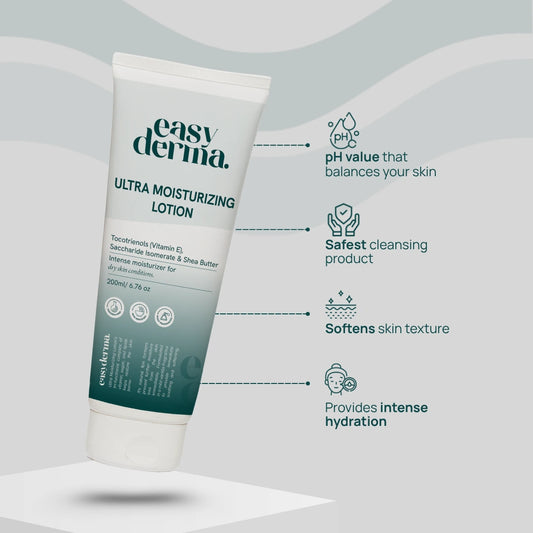
Ingredients like Saccharide Isomerate and Tocotrienols support deep hydration and barrier repair without feeling heavy. Using a gentle moisturizer after cleansing helps lock in hydration and prevents dryness caused by acne treatments. A great option is the Ultra Moisturizing Lotion, which offers long-lasting hydration while being suitable for acne-prone skin. When used consistently, proper hydration can visibly reduce redness, balance oil levels, and minimize irritation—making it a crucial step in any acne-healing routine.
Spot-Treat & Exfoliate Strategically
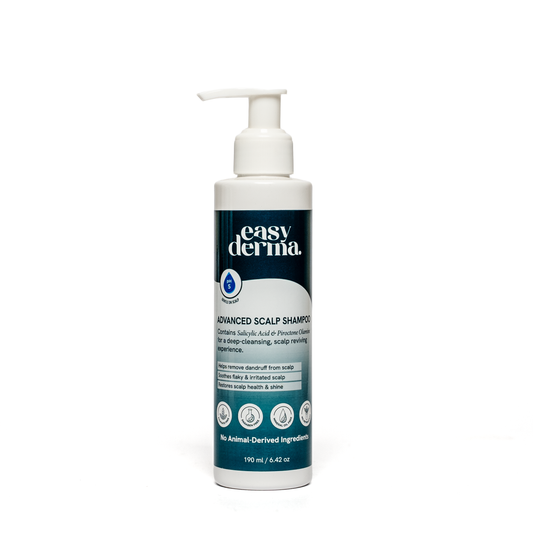
Targeted care is essential when healing acne, but it must be done gently. Instead of aggressive scrubbing, opt for a mild chemical exfoliant (such as a low-percentage salicylic acid formula) 1–2 times per week. This helps unclog pores, dissolve excess sebum, and fade post-pimple marks without overt irritation. Overdoing exfoliation can damage the skin barrier and worsen inflammation, so moderation is key.
For spot treatment, choose a non-irritating, Dermatologist-trusted formula and apply it only to active blemishes. Avoid using drying or alcohol-heavy products that can compromise healing. At the same time, continue using your regular, gentle cleanser so you don’t disrupt your overall routine. Together, mild exfoliation and targeted treatments help clear breakouts effectively while minimizing sensitivity and preserving your skin’s balance.

Be Consistent & Adopt Healthy Habits
Healing acne isn’t just about what you apply on your skin—it’s equally about how you live. Consistency in your routine matters more than frequent changes. Cleanse twice daily, moisturize regularly, and stick to your spot-treat and exfoliation schedule to see gradual improvement. Skipping steps or frequently switching products can trigger more breakouts.
Beyond your skincare routine, adopt skin-friendly habits: sleep well, manage stress, and hydrate from within by drinking enough water. Change pillowcases regularly and sanitize your phone screen to minimize bacterial transfer to your face. Opt for breathable, cotton fabrics that reduce sweat and irritation. With time, these consistent lifestyle efforts combined with a gentle, Dermatologist-Trusted routine support long-term acne healing and better skin resilience.

Frequently Asked Questions (FAQs)
Q1. How long does it take to see results when healing acne?
Most people begin noticing a visible difference within 2–3 weeks of consistent care. Acne treatments work slowly, so patience and routine are essential.
Q2. Can I pop my pimples to make them heal faster?
No. Popping or squeezing increases inflammation, pushes bacteria deeper, and often leads to scarring. Always let blemishes heal naturally or use proper spot treatment.
Q3. Should I exfoliate daily when I have active acne?
Daily exfoliation can irritate the skin and worsen breakouts. It is safer to exfoliate 1–2 times a week using a mild formula, unless your Dermatologist suggests otherwise.
Q4. Do home remedies work for acne?
Home remedies like lemon, toothpaste, or baking soda can harm your skin barrier. It’s always best to follow Dermatologist-backed advice for safe and effective results.
Some people may break out more with high-glycemic foods or dairy, but triggers vary. Focus on balanced meals, hydration, and observing how your skin responds.

Conclusion
Healing acne is a gradual journey, but choosing the right skincare steps and maintaining consistency can bring powerful results. From gentle cleansing and protecting your skin barrier to smart exfoliation and targeted treatments, each step works together to reduce breakouts and prevent future flare-ups. Pair these habits with a balanced lifestyle, good hygiene practices, and patience to support long-term skin health.
If you want more expert-backed tips on acne care, effective routines, and ingredient guides, explore the complete article here: